
Enlightenment
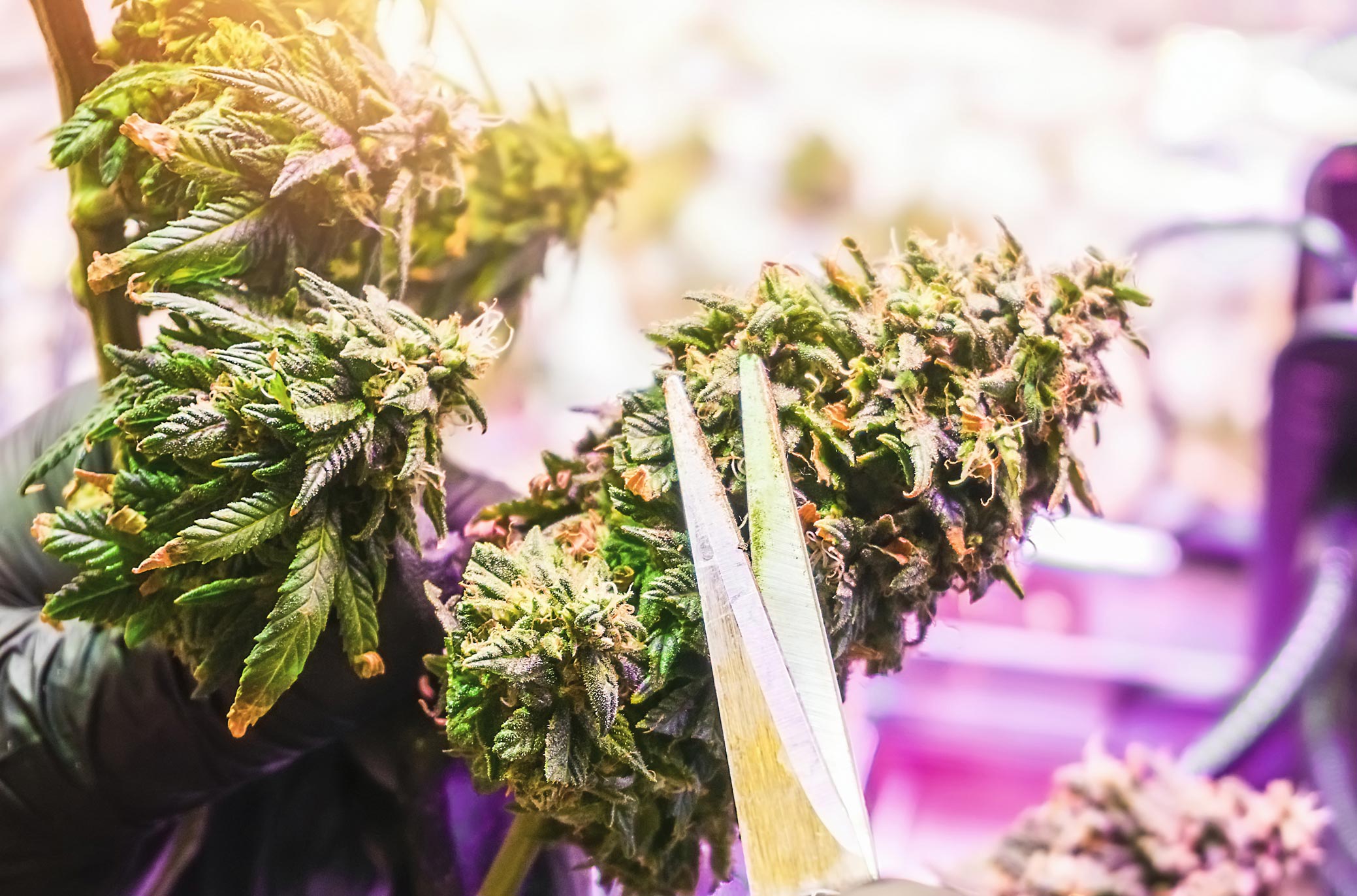
About cannabis
Cannabis is currently a polarizing topic like few others. The plant is simultaneously celebrated and demonized, studied and stigmatized. After decades in the shadows, cannabis and its medicinal potential are now being analyzed and studied again. Based on scientific studies, various cannabis products are being used by doctors worldwide to treat countless medical conditions and symptoms. The number of studies is increasing as rapidly as the reports from patients on numerous forums, who describe a noticeable improvement in their quality of life.
At Marry Jane, we advocate for a future-oriented, sustainable, and responsible approach to cannabis and contribute to creating transparency about cannabis products and their applications. In doing so, we address a significant societal need for education. The following FAQ aims to contribute to this and counter many stigmas, often based on rumors.
Questions about cannabis
What is cannabis?
Cannabis is a genus of the hemp family (Cannabaceae) and is considered one of the oldest cultivated and useful plants. The two main species are Cannabis sativa and Cannabis indica. These plants contain over 100 different cannabinoids, with THC (tetrahydrocannabinol) and CBD (cannabidiol) being the best known. THC is primarily responsible for the psychoactive effects of cannabis, which are typically associated with recreational use. CBD, on the other hand, has no intoxicating effect and is often used for its potential medicinal benefits. The potentially therapeutic effects of cannabinoids are particularly pronounced in combination with terpenes, the so-called entourage effect.
Cannabis is used both industrially and medicinally. The scientific name "Cannabis sativa L." encompasses a wide variety of strains, which can be broadly divided into two categories: industrial hemp, containing less than 0.3% THC, is used to manufacture products such as textiles, paper, and food, while marijuana is cultivated for medicinal and recreational use. Cannabis is consumed in various forms. Dried flowers can be smoked, but cannabis is also processed into a variety of products, including hashish, oil, and extracts such as wax or rosin. Each cannabis product varies in characteristics such as method of consumption, consistency, and flavor.
Sources:
https://www.verywellhealth.com/what-is-cannabis-5087145
https://cannabisfakten.de/cannabis
https://www.weed.de/wissen/grundlagen/was-ist-cannabis
What can be said about the effects of cannabis?
The effects of cannabis are diverse and depend on the dose, the method of administration, and the individual user. THC is primarily responsible for the psychoactive effects of cannabis. However, various other cannabinoids and terpenes (aromatic compounds) significantly influence the effects. Therefore, different strains and varieties can lead to different or even contradictory effects in users.
The effects of cannabis generally include:
- Euphoria, cheerfulness, relaxed mood
- Intensified communication
- Relaxation and calming
- increased well-being
- increased sensitivity to optical,
- acoustic and physical stimuli
- mild hallucinations
- fatigue
- increased appetite
- increased creativity
Possible unpleasant side effects attributed to cannabis:
- temporary anxiety/panic attacks
- psychotic symptoms/paranoia
- Sensory overload
- Lack of motivation
- High blood pressure, rapid heartbeat, circulatory problems
- Redness of the eyes/dry mouth
- Blurring of the visual field
- Memory loss, especially short-term memory
- Concentration problems
- limited communication
Sources:
https://cannabisfakten.de/cannabis
https://www.verywellhealth.com/what-is-cannabis-5087145
https://www.cannabispraevention.de/jugendliche/cannabis/was-ist-cannabis/
https://nida.nih.gov/publications/drugfacts/cannabis-marijuana
What myths have arisen around cannabis?
Is cannabis addictive?
Cannabis has a relatively low potential for addiction. Withdrawal symptoms such as restlessness, sleep problems, and loss of appetite can occur when consumption is reduced or stopped, but are usually mild. Psychological dependence can develop over a longer period, especially with early or frequent use. Studies show that about 9% of users become dependent, with this figure rising to 17% among teenagers.
Do only stoners and Rastas consume cannabis?
Cannabis is consumed by people of all ages, genders, socioeconomic backgrounds, and professions. Reasons for consumption include recreational use, spiritual experiences, and medicinal applications. This diversity reflects the plant's multifaceted uses and increasing social acceptance.
Cannabis legalization = increase in consumption, especially among young people?
Data from the US and other countries paints a different picture: no significant increase in consumption among young people is visible. In some cases, a decline has even been observed. Experts suspect that regulation, control, and awareness campaigns may make access more difficult for young people and reduce the allure of the forbidden.
Sources:
https://initiative-endlich.de/ueber-c*nnabis/c*nnabis-mythen
https://www.drugabuse.gov/publications/research-reports/marijuana/marijuana-addictive
What scientific studies exist on cannabis?
Research on cannabis has increased significantly in recent years, particularly since legalization in many countries, including Canada, and in many US states. Studies have shown that cannabis can be effective in treating chronic pain, especially neuropathic pain. There is also evidence that cannabis may be helpful in relieving symptoms such as nausea and vomiting caused by chemotherapy, as well as reducing muscle spasms in multiple sclerosis. Other potential medical applications are being investigated, including the treatment of Parkinson's disease, fibromyalgia, interstitial cystitis, and certain forms of epilepsy, such as Dravet syndrome and Lennox-Gastaut syndrome. However, research is ongoing, and many of the potential applications require further scientific validation.
Sources:
https://www.verywellhealth.com/what-is-cannabis-5087145
https://www.weed.de/wissen/grundlagen/was-ist-cannabis
https://nida.nih.gov/publications/drugfacts/cannabis-marijuana
https://initiative-endlich.de/ueber-c*nnabis/studien-und-indikationen
For which symptoms is cannabis used?
Medical cannabis refers to the use of the Cannabis sativa plant or its components, such as THC and CBD, to treat illnesses or symptoms. In many countries, medical cannabis is legal and can be obtained by prescription for the treatment of certain health conditions. The best-documented medical uses of cannabis are the treatment of chronic pain, nausea and vomiting, and muscle spasms in multiple sclerosis. Furthermore, ongoing research is exploring other potential applications and the optimal dosage and administration of medical cannabis. The legalization and regulation of medical cannabis have significantly improved the availability and acceptance of this treatment method.
Sources:
https://www.verywellhealth.com/what-is-cannabis-5087145
https://cannabisfakten.de/cannabis
What is there to say about the history of cannabis?
Cannabis has been used for thousands of years for various purposes, both medicinally and industrially. In ancient times, it was used in China, India, and the Middle East for medicine and religious rituals. In the 19th century, cannabis also found its way into Western medicine before being largely prohibited in the 20th century. In recent decades, cannabis has experienced a renaissance, particularly due to legalization and its growing acceptance as a medicinal and recreational product in many parts of the world. Historical use and current scientific understanding have contributed to a greater understanding and acceptance of cannabis in modern society.
Sources:
https://www.verywellhealth.com/what-is-cannabis-5087145
https://www.weed.de/wissen/grundlagen/was-ist-cannabis
https://nida.nih.gov/publications/drugfacts/cannabis-marijuana
What do I need to consider when growing cannabis?
For beginners and seasoned pros alike: Growing cannabis involves numerous factors to consider and various methods for achieving successful harvests. On the back of the Marry Jane seed packet, you'll find a QR code that provides a detailed video tutorial with growing tips. We've also summarized the most important aspects to keep in mind when growing cannabis below. Most importantly: Don't panic, nobody's born a master, and the best part of growing is observing and learning for your next grow!
Seed selection
Choosing the right seeds is crucial. There are different strains of cannabis, each with its own specific needs. Sativa strains are generally taller and have longer flowering times, while Indica strains are more compact and flower faster. Autoflowering strains flower independently of light cycles and are more resistant to environmental conditions. Feminized seeds do not flower automatically, allowing growers greater control over the yield.
Growing environment
The growing environment can be either indoors or outdoors. Indoor growing offers more control over growing conditions but requires an investment in equipment such as grow boxes, lighting, ventilation, and filtration systems. For indoor growing, it's important to match the size of the grow box to the number of plants to ensure sufficient space and light.
Light and lighting
Cannabis plants need plenty of light for optimal growth. For indoor growing, LED lights are a good choice because they are efficient and long-lasting. The plants should receive at least 10 to 12 hours of light daily. When growing outdoors, it's important to place the plants in a sunny location that receives at least six hours of direct sunlight.
Soil and nutrients
High-quality, nutrient-rich soil is essential for cannabis growth. The soil should be well-aerated and rich in macronutrients such as nitrogen, phosphorus, and potassium. Micronutrients should also be present. Cannabis plants are heavy feeders and require regular fertilization. Liquid fertilizers or organic fertilizers such as compost or worm castings are suitable for supplying the plants with the necessary nutrients.
Irrigation and moisture control
Cannabis plants require consistent watering. The soil should always be moist, but not waterlogged, to prevent root rot. The watering system should be adapted to the plants' needs, especially during the growth and flowering phases. When growing indoors, humidity can be controlled using humidifiers and dehumidifiers.
Temperature and air circulation
The ideal temperature for growing cannabis is between 20 and 30 degrees Celsius during the day and about 10 degrees lower at night. Good air circulation is important to prevent mold and pests. Fans and exhaust systems can help maintain a consistent temperature and humidity.
Plant care and training
The plants should be regularly checked and cared for. Techniques such as LST (Low Stress Training), lollipopping, or fimming can be used to control growth and maximize yield. These techniques promote bushy growth and even light distribution to all parts of the plant.
Harvesting, drying and curing
Harvest time depends on the strain and growing conditions. The flowers should be harvested when the trichomes are milky white to amber in color. After harvesting, the flowers must be carefully dried and cured to maximize their potency and flavor. The drying process typically takes 7 to 14 days, followed by several weeks of curing in jars.
By following these steps and providing continuous care, high-quality cannabis plants can be successfully cultivated.
Sources:
https://www.swr.de/swr4/tipps/cannabis-anbauen-hanf-pflanzen-eigenanbau-100.html